Point of use
400+
Fixtures monitored individually
Toilets, taps, urinals and showers

Case Study · Quensus
26% less water. Smarter cleaning. Measurable savings.
How a major UK airport turned washroom data into smarter operations.
Partnered with

Quensus helps large buildings and estates reduce water waste, detect leaks, improve visibility and support better operational decisions through real-time monitoring and data-led insight.
From airports and campuses to shopping centres and commercial offices, Quensus brings clarity to water use across complex, high-footfall environments, without turning every conversation into a product catalogue.
Point of use
400+
Fixtures monitored individually
Toilets, taps, urinals and showers
Measured impact
26%
Water consumption cut
Across 14 terminal washrooms
Investment
<1 yr
Payback achieved
Savings covered the system cost
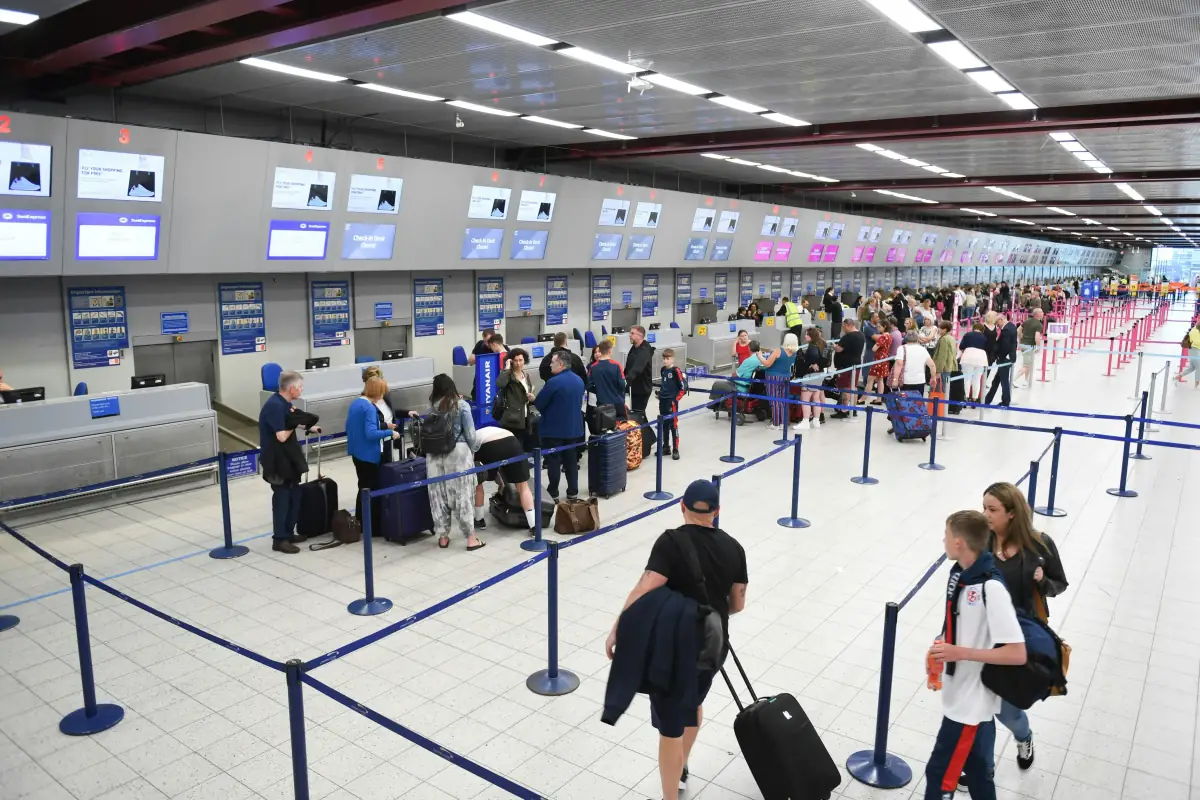
For estates, facilities teams, airports, campuses and high-footfall environments, water waste is often invisible until the bill arrives or a fault becomes a crisis. At Heathrow, one terminal's Smart Washroom initiative needed real-time consumption on every fixture, not building-level totals alone.
You cannot manage what you do not measure. Success was built on making the invisible visible.

As part of its Smart Washroom initiative, Heathrow installed Quensus across 14 washrooms in one international terminal, giving operations teams fixture-level visibility through a live dashboard.
For any large facility, operational costs are driven by factors that are often hard to see and measure until monitoring makes them visible.
A single faulty toilet fill valve at the airport was costing £60 per month, completely unnoticed until the system flagged it.
Small inefficiencies, multiplied across hundreds of assets, led to staggering waste. Optimising toilet flushes and tap flow-rates saved a further £900 every month.
Every drop of heated water carries an energy cost and a carbon footprint.
Traditional cleaning rotas are based on time, not actual use. Staff waste resources on washrooms barely used, while high-traffic facilities go unattended too long, leading to complaints and poor visitor experiences.

The airport deployed a smart water management system across more than 400 points of use to execute a four-step strategy that turned data into action.
Step 1 - Monitor
Install LeakNet Gen2 monitoring on every toilet, tap, urinal and shower.
Step 2 - Analyse
Use machine learning to establish baselines and flag abnormal consumption.
Step 3 - Optimise
Use flush-count data to direct cleaning teams based on actual footfall.
Step 4 - Act & Save
Fix inefficiencies, reduce waste and build a case for wider estate improvements.
Step 1 - Monitor
The foundation of the project was to install sub-meters at hundreds of individual points of use: toilets, taps and urinals. This provided an unprecedented level of detail, immediately identifying the highest-consuming assets and creating a real-time data stream for every fixture.
14 washrooms · 400+ individual fixturesConsumption across terminal washroom areas
Step 2 - Analyse
Once data is flowing, the system’s intelligence takes over. Machine learning establishes a baseline for normal water use. When consumption deviates from this pattern, the system flags it as a leak and sends an alert. While this graph shows aggregated daily totals, the underlying data is recorded every second, providing the high-resolution information needed for precise anomaly detection.
"What used to be invisible can now be measured, flagged and acted on."
Step 3 - Optimise
This is where the system’s value multiplies. Since every single toilet flush is metered, the system knows precisely how many people have used each washroom in real time.
How it works
Instead of relying on a fixed schedule, cleaning managers access a live dashboard that ranks washrooms by usage. A simple count of flushes acts as a direct proxy for footfall.
The result
Cleaning teams are dispatched based on need, not a generic rota. They are directed to the busiest facilities first, ensuring the highest standards of hygiene where it matters most.
| Location | Total Flushes (Usage) | Status |
|---|---|---|
| Area 4, Female | 254 | Needs Cleaning |
| Area 1, Female | 215 | Needs Cleaning |
| Area 2, Male | 189 | Needs Cleaning |
| Area 3, Female | 177 | Needs Cleaning |
| Area 4, Male | 150 | OK |
| Area 2, Female | 121 | OK |
| Area 3, Male | 98 | OK |
Step 4 - Act & Save
With real-time monitoring and alerts, facilities managers are empowered to act decisively on water waste.
The measurable outcomes from Heathrow’s Smart Washroom deployment, and the kind of returns estates like yours can target.
Water
Reduction in water consumption in six months
Carbon
CO₂ saved every month
ROI
Payback on investment
Operations
To drive dynamic, usage-based operations
Any facilities or estate manager can adopt this model to generate similar returns.
Identify high-traffic areas and critical assets. Start with public washrooms to maximise the dual benefit of water savings and cleaning efficiency.
Install a system that provides point-of-use data, intelligent learning and an online dashboard.
Let the system learn your unique consumption patterns to establish accurate, customised alerts for leaks.
Use real-time flush-count data to direct cleaning teams. Create a smart rota that prioritises washrooms based on actual footfall.
Use alerts and data to fix leaks the moment they happen and build a powerful business case for upgrading your most wasteful assets.
The same principles that delivered results at Heathrow apply wherever water use is high, visibility is low and operational decisions need better evidence.

Make the change now and start reaping the rewards like Heathrow did. Speak with Quensus about applying the same Smart Washroom approach to your estate.



Sign up for the easiest way to stay in touch.